Types of Pest Extermination Treatments: Baits, Barriers, and Sprays Explained
Pest extermination uses several treatment types, and each one fits certain pests and certain parts of a home. This guide explains baits, barriers, sprays, and sealing work in plain words so you know what to expect from a technician. It also shows how pest extermination in Morristown, TN, often changes with the pest and the property.
Why Treatment Type Matters
The right treatment depends on the pest, where it hides, and how it moves. A method that works on ants may do little for termites. A spray that clears a spider from a corner will not stop mice from entering a garage.
Hamblen County adds its own pressures. Humid summers, mild winters, and clay-rich soils can help termites, cockroaches, ants, and rodents thrive. Knowing the main treatment types helps you ask better questions before service begins.
Bait Stations and Gel Baits
Baits use food that pests carry back to their nests. Slow-acting bait is made so a pest returns to the colony before the effect shows, which may let the treatment reach pests you never see.
- Baits are often used for:
- Ants that follow trails to a food source.
- Cockroaches that hide in cabinets, behind appliances, and near drains.
- Some termite problems, when an inspection shows bait is a good fit.
Baits work best when you leave the trails alone. A technician may ask you to skip wiping certain areas or using other sprays nearby for a few days.
Exterior Barrier Treatments
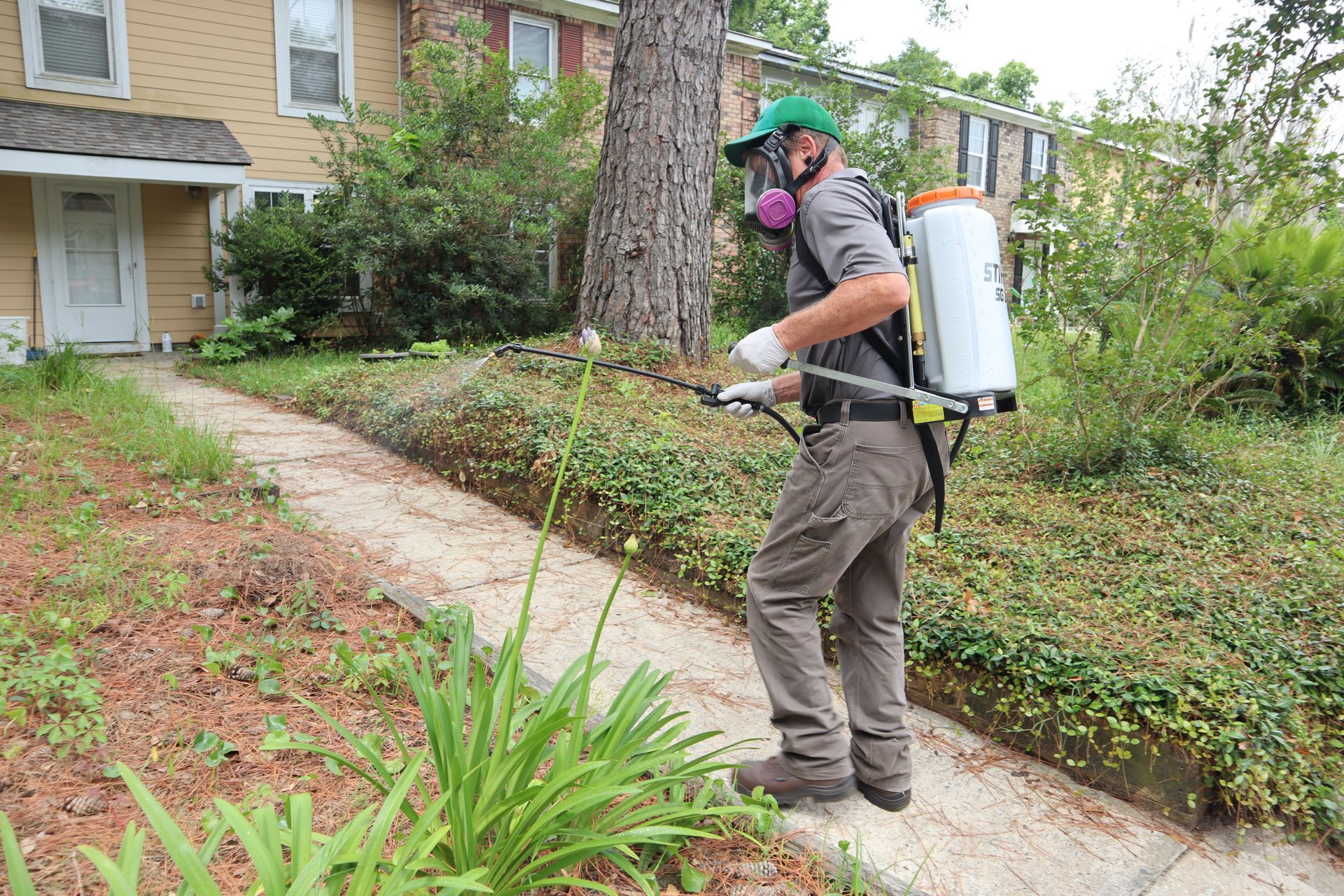
A barrier treatment places a protective layer around the outside of a building. The goal is to block pests before they get inside. Technicians often treat the foundation line, door and window frames, utility gaps, and other common entry points.
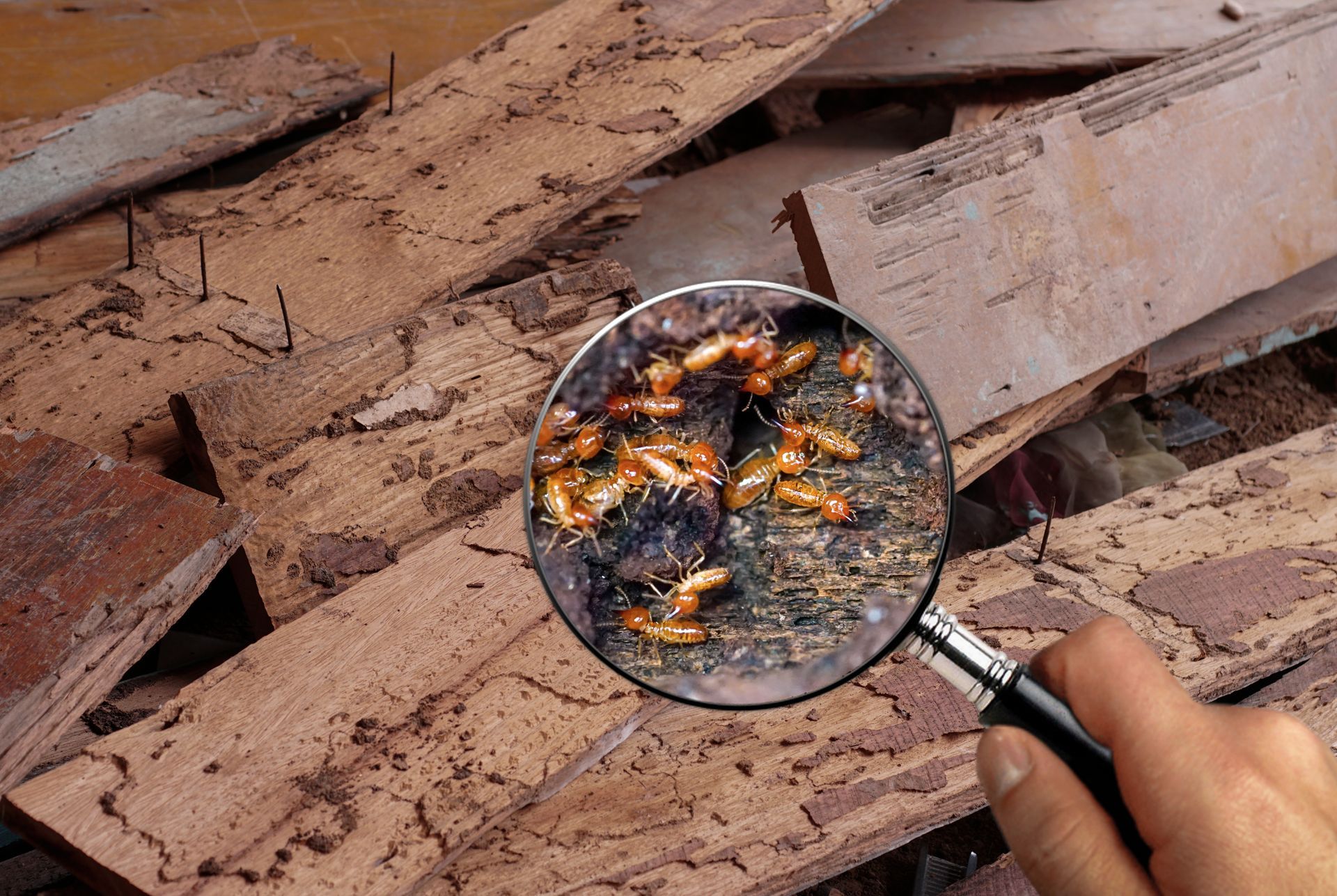
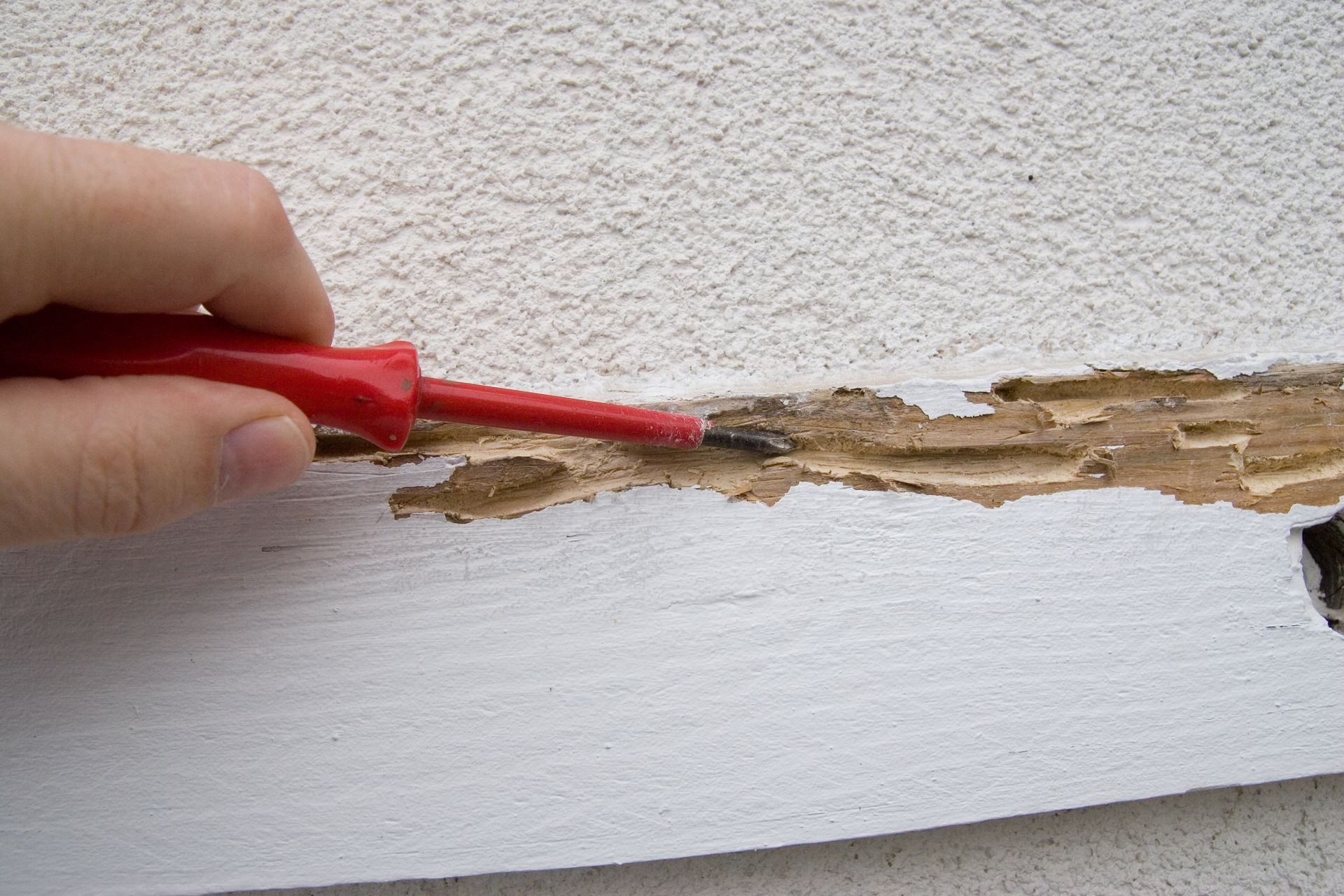
Barriers matter most for subterranean termites. These termites live in soil and tunnel toward wood. In Hamblen County, clay-rich soil can hold moisture close to foundations, which may make a home more appealing to them. An exterior treatment can add protection between that soil and your structure.
Barriers also help with carpenter ants, spiders, and stink bugs that move in from outside as the seasons change. Weather can wear down outdoor treatments, so a technician may suggest follow-up visits to keep the barrier working.
Targeted Interior Sprays and Dusts
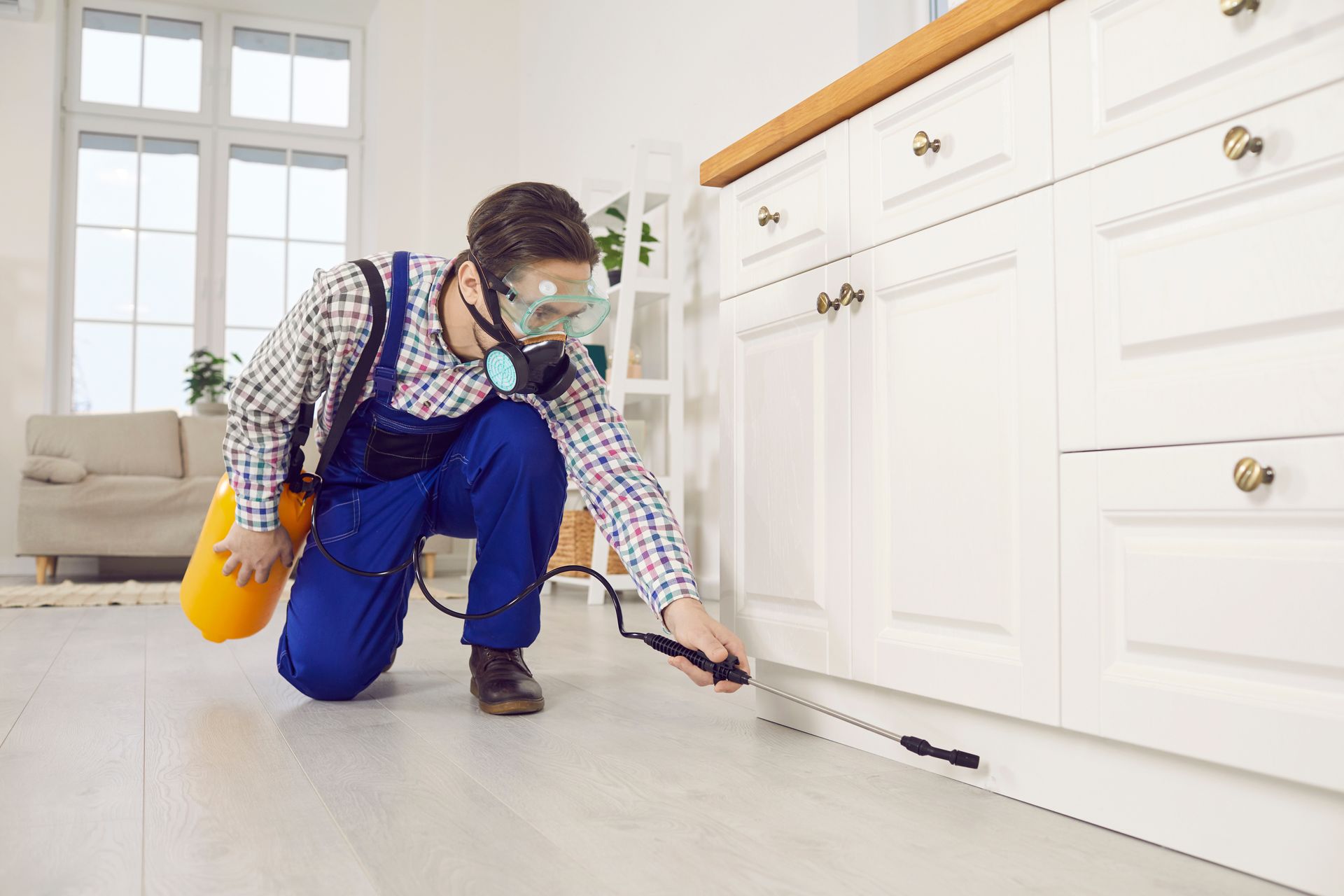
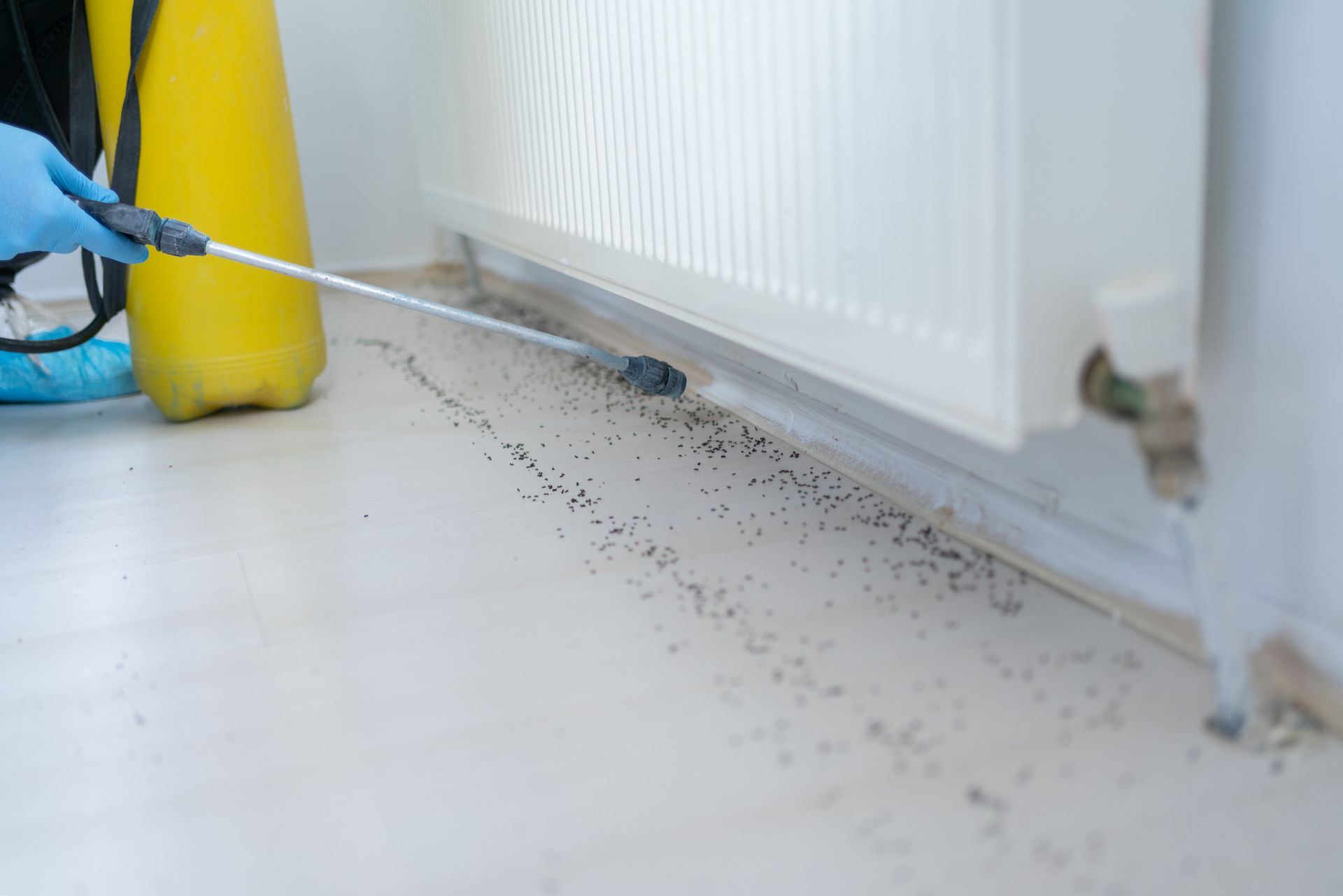
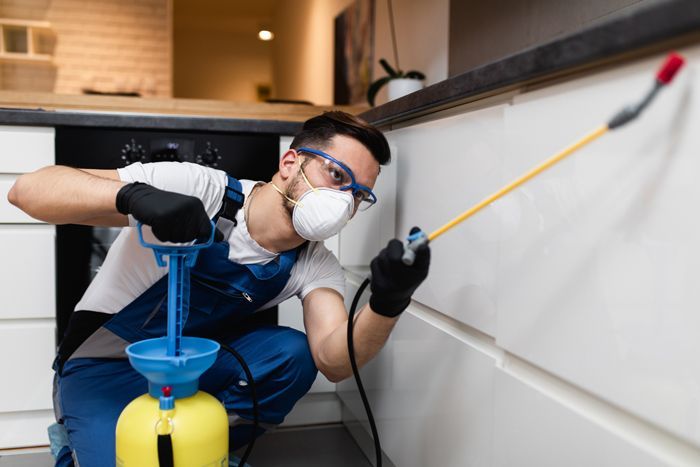
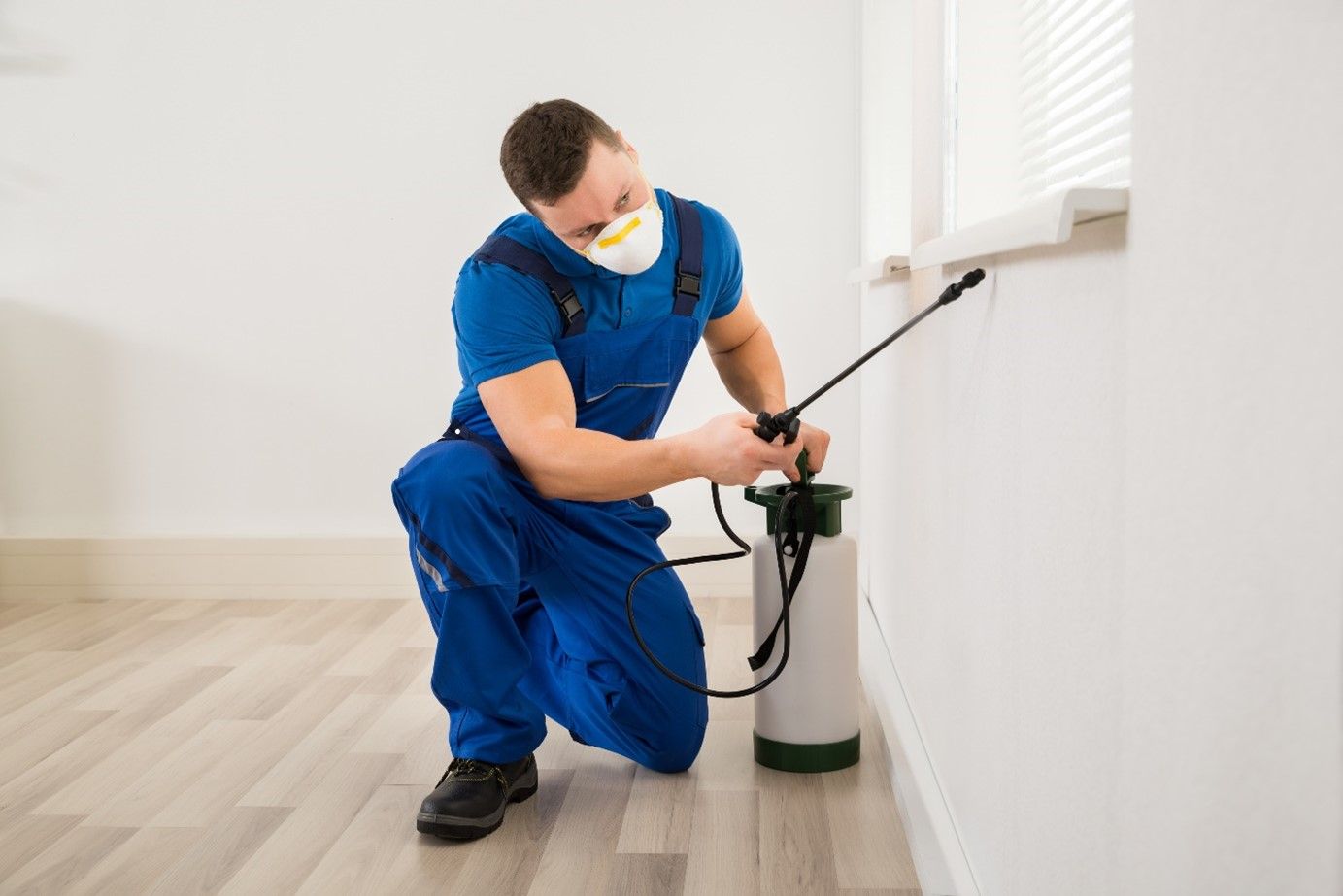
Targeted treatments go only where pests are active inside the home. A technician may treat cracks, baseboards, wall voids, attics, and the areas under sinks instead of spraying whole rooms.
This approach is often used for:
- Spiders and silverfish in corners and storage areas.
- Wasps and nests near eaves or in attics.
- Cockroaches in tight cracks where bait alone may not reach.
Products should always be used the way the label directs. Ask your technician how long to keep pets and children out of treated areas and whether any surfaces need to be wiped afterward.
Exclusion and Sealing Work
Exclusion closes the gaps pests use to get inside. It is a key long-term tool against mice and rats, which can squeeze through small openings. Gaps larger than about one-quarter inch should be sealed.
Common exclusion steps include:
- Caulking cracks and crevices around pipes, doors, and windows.
- Adding screens to windows and doors.
- Repairing leaking roofs and fixing damp areas.
- Clearing clutter from attics, garages, and basements.
Exclusion pairs well with other treatments. Without it, pests may keep coming back even after a strong treatment.
Matching Treatments to Common Morristown Pests
Most pests respond best to a mix of treatments, not just one. Here is how the options often line up in East Tennessee:
- Subterranean termites: exterior barrier treatments and a careful look at the foundation.
- Carpenter ants: bait, plus finding and fixing the damp wood where they nest.
- Oriental cockroaches: baits, targeted sprays, and sealing drains and utility gaps.
- Mice and rats: exclusion and sealing, with other methods chosen by the technician.
- Spiders and stink bugs: exterior barriers and targeted treatment inside.
If you are not sure which pest you have, a technician can identify it during an inspection. A correct identification keeps you from paying for a treatment that does not fit.
How Does a Technician Choose a Treatment?
A technician chooses treatments after an inspection shows the pest and how far it has spread. The process often follows these steps:
- Inspection: the technician checks indoor spaces, crawl spaces, attics, and the exterior of the property.
- Identification: the pest and its likely entry points are confirmed.
- Treatment: products are applied to affected areas at targeted amounts.
- Prevention: exterior treatments and sealing help block pests from returning.
- Follow-up: a service plan may be suggested to keep protection going across seasons.
Each step builds on the one before it. Skipping the inspection and going straight to spraying is a common reason treatments fail.
Are Pest Extermination Treatments Safe for Pets and Children?
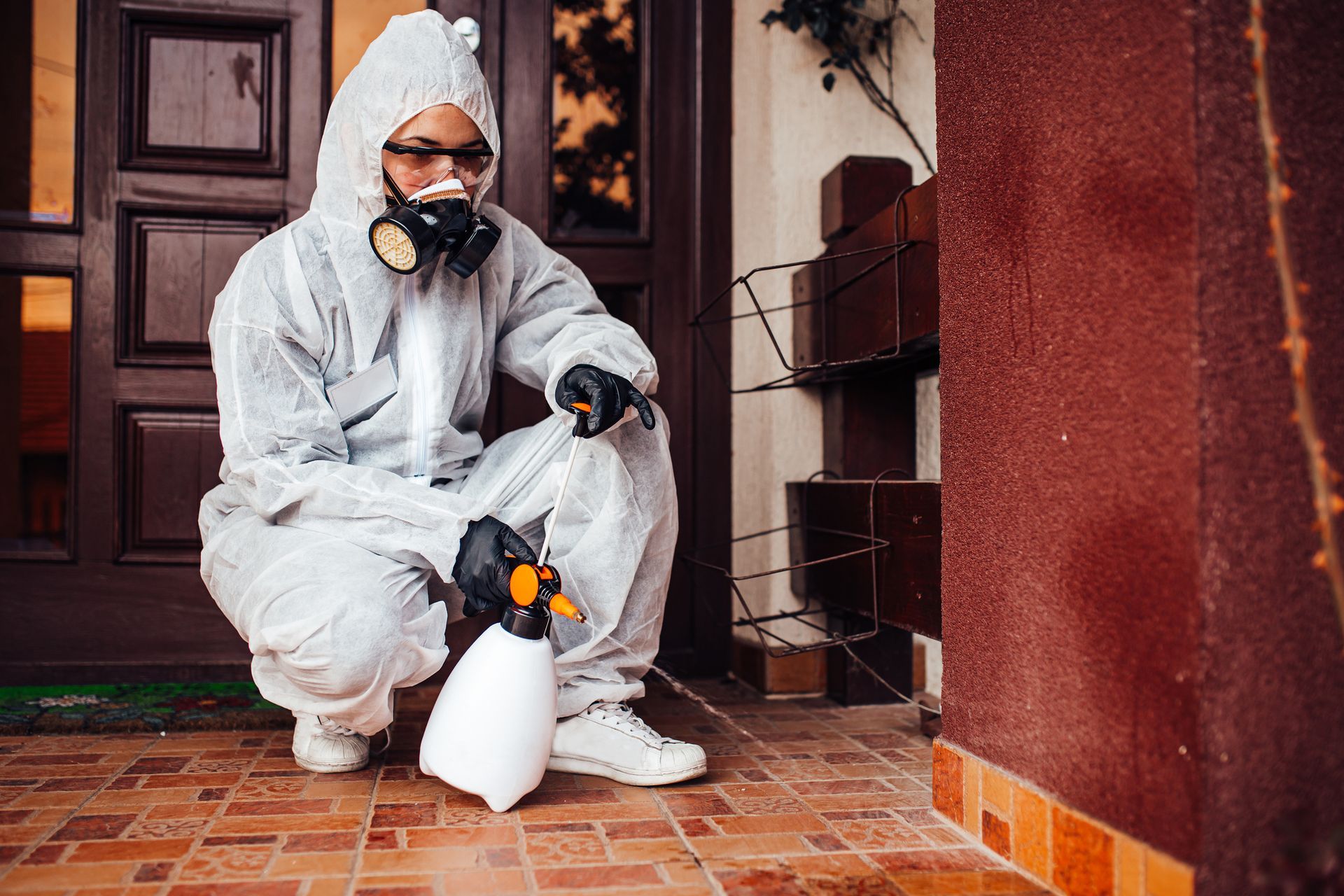
Safety depends on the product used, how it is applied, and how well the prep steps are followed. Professional products are placed in targeted spots, which may lower exposure in the areas where your family spends time.
Your technician can explain what to do before and after service. Common steps include clearing access to problem areas, putting away food, and moving pet bowls. Keep pets and children away from treated spots until the technician says it is okay.
Get Help With Pest Extermination in Morristown, TN
The best treatment is the one that fits your pest, your home, and your comfort level. A&B Termite and Pest Control LLC provides pest extermination serving Morristown, TN, and nearby Hamblen County communities such as Whitesburg, Russellville, Lowland, and Talbott. The locally owned company has served East Tennessee since 1983 and uses EPA-compliant products applied by trained technicians.
If you see signs of pests, call
(865) 475-8429 or visit the
contact page to request a free quote. You can also learn more about
pest extermination services for homes and businesses in the area.